Gifts for Isopod and Terrarium Keepers
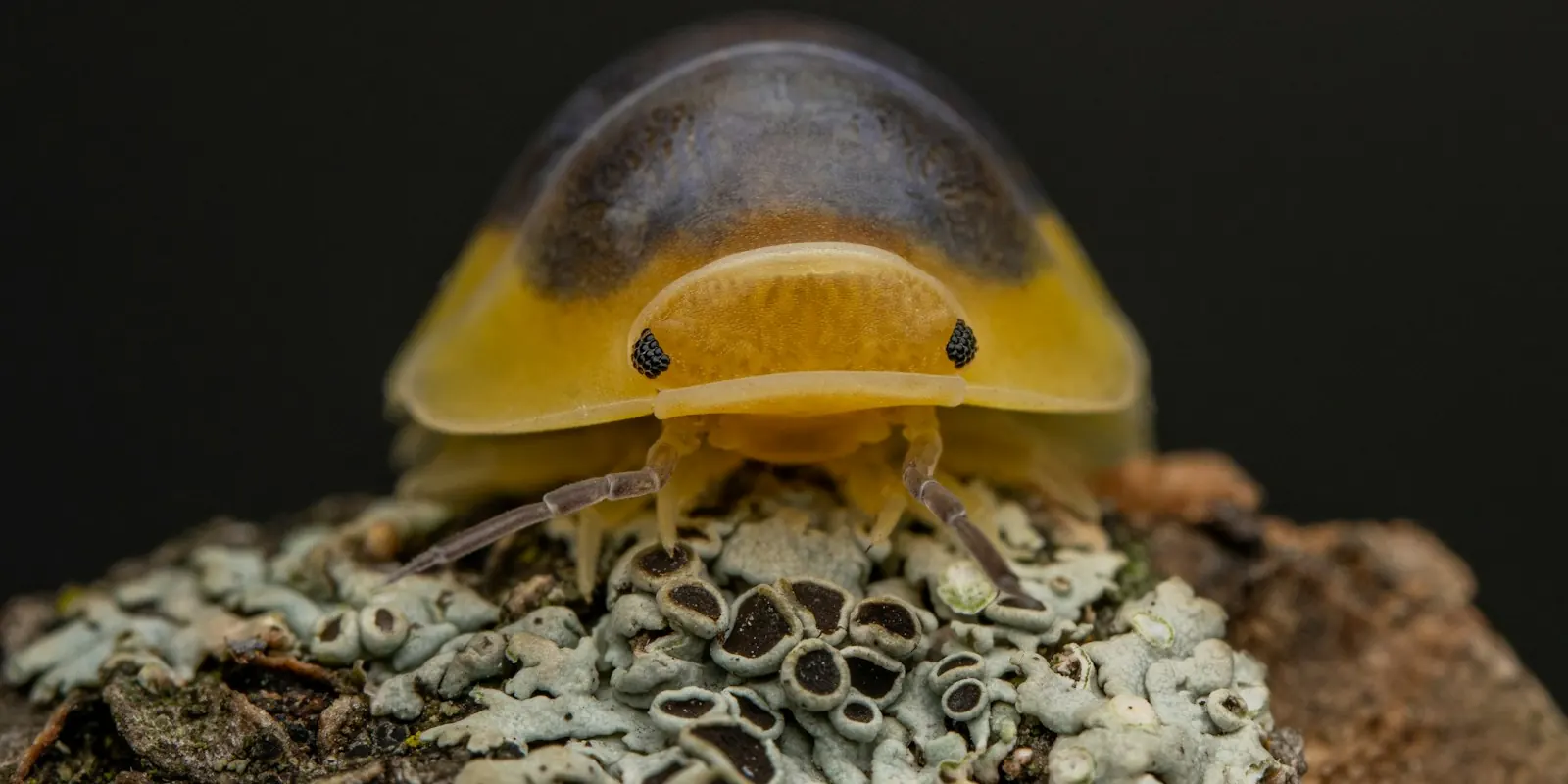
It takes a particular kind of curiosity to turn over a leaf and stay there watching. Ask them to point out what you would walk past. A good gift begins with learning how small their world looks from the outside. These gifts for isopod keepers follow a bioactive terrarium from the tank to the soil to the crew that lives in it.
See also: Gardeners Space and science fans Campers and hikers Homebodies Aquascaping
Before you buy
- Most keepers buy their isopods from breeders or at reptile shows. Supplies make the safer gift, unless you know which kind they want.
- Ask whether they keep a simple tub of isopods or a planted terrarium. The tub needs less; the planted tank uses everything on this list.
- Leaf litter, cork and food get used up, so they are always welcome, even by keepers who own everything else.
No gifts match. Try another search or increase your budget.
If you buy one thing
-
Zilla 11 Gallon Glass Vertical Terrarium Kit
A glass tank with a front-opening door and a screen top, tall enough for plants, cork and a deep bed of soil. Ask about the colony first; floor space, moisture and airflow matter more than looks.
Budget: Splurge $100+ See it on Amazon: Zilla 11 Gallon Glass Vertical Terrarium Kit (opens in a new tab)
The home 1 idea
From a simple starter box to a glass tank built for plants.
-
Exo Terra Faunarium, Medium
A clear plastic box with a vented lid, the classic first home for an isopod colony. Cheap enough to own several, one for each kind they keep.
Budget: Under $25 See it on Amazon: Exo Terra Faunarium, Medium (opens in a new tab)
The ground 3 ideas
Layers of drainage and soil: what the whole little world grows from.
-
Zoo Med HydroBalls, 2.5 lbs
Light clay balls for the bottom of a planted tank. Extra water drains into them instead of rotting the soil above.
Budget: Under $25 See it on Amazon: Zoo Med HydroBalls, 2.5 lbs (opens in a new tab) -
Josh's Frogs BioBedding Tropical Substrate, 10 Quarts
A ready-mixed living soil for planted terrariums that holds moisture and stays fluffy. Ten quarts fills a tank the size of the Zilla.
-
Josh's Frogs Isopod Substrate, 4 Quarts
A soil mix made for isopods, with rotting wood and leaves already in it. The easy choice for a simple tub colony.
Cover and hides 5 ideas
Isopods live under things. More cover means calmer, busier animals.
-
Josh's Frogs Organic Magnolia Leaf Litter
Big, tough magnolia leaves that break down slowly. Isopods hide under them and eat them, so they are shelter and food at once.
-
Josh's Frogs Organic Live Oak Leaf Litter
Small oak leaves that layer into a deep, natural-looking forest floor. Collected from untreated trees, which matters for animals this sensitive.
-
Zoo Med Natural Cork Bark Flat, Small
A curved slab of real cork for isopods to crowd under. Lifting it to see the colony is half the fun of the hobby.
-
Cork Terrarium Background, 4 Pack
Thin cork panels for the back and sides of a glass tank. They give climbers more room and hide the glass for a natural look.
-
Zoo Med New Zealand Sphagnum Moss
Dried moss that soaks up water and holds it. A damp patch in one corner gives isopods a safe place to molt.
Budget: Under $25 See it on Amazon: Zoo Med New Zealand Sphagnum Moss (opens in a new tab)
Food 3 ideas
Isopods eat leaves and wood, plus a little protein and calcium for healthy shells.
-
Repashy Morning Wood Isopod Gel Food
A powder mixed with hot water into a gel that isopods swarm over. It adds protein that leaves alone do not give.
-
Josh's Frogs Clean Up Crew Cuisine
A dry food made for isopods and springtails living in a terrarium with other animals. A pinch goes a long way.
-
Sepia King Cuttlebone, 12 Pack
Natural calcium that isopods nibble to build their shells. Twelve pieces last a long time across several boxes.
Budget: Under $25 See it on Amazon: Sepia King Cuttlebone, 12 Pack (opens in a new tab)
Climate and light 3 ideas
Humidity is what keeps isopods alive. These measure it and keep it steady.
-
TempPro TP50 Digital Hygrometer
A small screen that shows humidity and temperature at a glance. Humidity is what keeps isopods alive, so this is not optional.
Budget: Under $25 See it on Amazon: TempPro TP50 Digital Hygrometer (opens in a new tab) -
Exo Terra Monsoon Solo II Misting System
A small pump on a timer that mists the tank on its own. It keeps a planted terrarium damp through weekends away and busy weeks.
Budget: Splurge $100+ See it on Amazon: Exo Terra Monsoon Solo II Misting System (opens in a new tab) -
Arcadia LumenIZE Jungle Dawn LED Bar, 12 Inch
A plant light sized for a small tank. Live moss and plants need it to grow, and it makes the whole forest glow on a shelf.
The crew and the view 2 ideas
The animals themselves, and a way to see them up close.
-
Josh's Frogs Isopods and Springtails Bundle
A starter cleanup crew of live isopods and springtails, shipped together. Reviews are mixed because live animals can suffer in shipping, so order in mild weather.
-
APEXEL Macro Lens for Phone
A clip-on lens that turns a phone into a close-up camera. Keepers love to share photos of their isopods' colors and patterns.
How it comes together
- Start with the box. A plastic Faunarium is fine for a first colony; a glass tank comes later, for plants.
For a planted tank, pour in a layer of clay balls for drainage, then a sheet of mesh, then the soil on top.
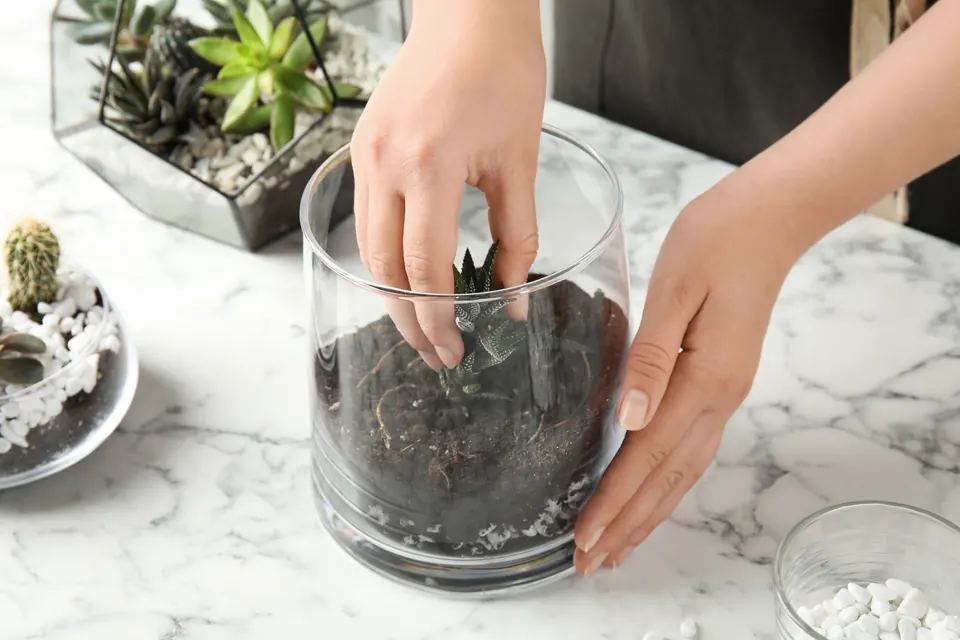
- Mist the soil until it is damp, not wet. Keep one side wetter and one side drier so the animals can choose.
Cover the ground thickly with leaf litter, then add cork bark flats as hides and a patch of damp moss.
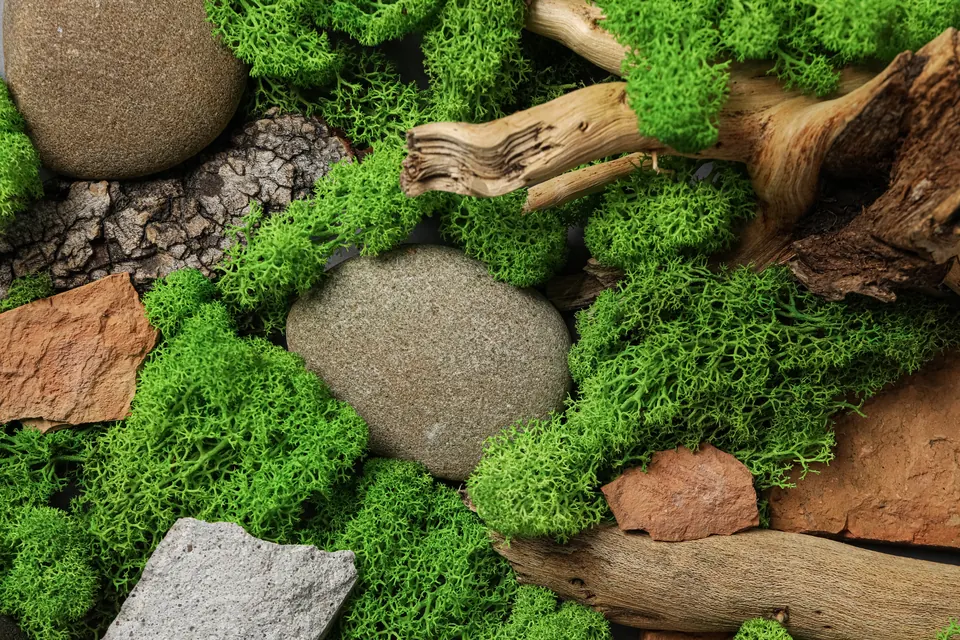
- Add a piece of cuttlebone for calcium, then let the setup settle for a few days and check the hygrometer.
- Add the isopods and springtails, and feed a small amount once or twice a week. Remove food before it molds.
Watch out for
- Dry air is the biggest killer. If the humidity drops low for long, isopods dry out fast.
- Too wet is the next problem: standing water and soggy soil lead to mold and mites. Ventilation matters as much as misting.
- Live animals shipped by mail can die in cold or heat. Order in mild weather, or ask for heat packs.
- Do not mix different isopod types in one box. The tougher kind usually takes over.
- Never use leaves or wood from treated yards, or anything that touched pesticide. Store-bought litter is safe.