Gifts for Home Coffee Roasters
They hand you two cups and wait. One roast went a little longer. You may struggle to taste what they taste, but it matters that somebody else is at the table trying. A second spoon can earn its place here. This guide to gifts for home coffee roasters follows a roast from green beans to the first cup.
See also: Coffee lovers Home cooks Tea lovers Bakers
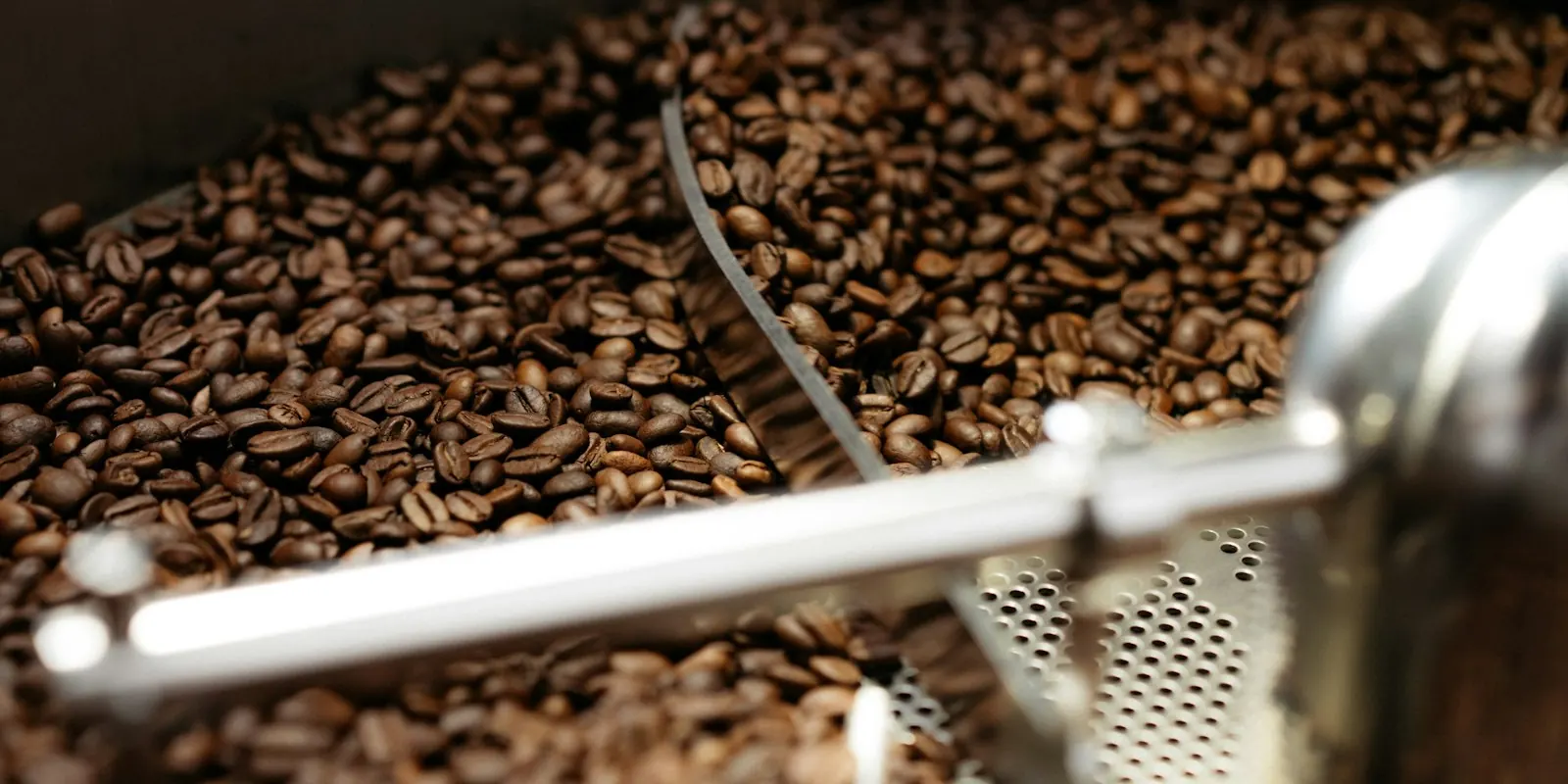
Before you buy
- Green beans keep for months, unlike roasted coffee. They are a safe gift even for someone who already has a stash.
- Roasting makes smoke and papery chaff. A roaster gift works best for someone with a stove hood, a garage or a porch.
- If they already roast, try a bean from a country they have not tried. Ethiopian beans taste nothing like Brazilian ones.
No gifts match. Try another search or increase your budget.
If you buy one thing
-
Fresh Roast SR800 Coffee Roaster
A countertop hot-air roaster with dials for heat and fan that does about eight ounces in under ten minutes, the machine most home roasters start with. If they already have one they love, bring green beans and stay for the tasting.
Budget: Splurge $100+ See it on Amazon: Fresh Roast SR800 Coffee Roaster (opens in a new tab)
The roaster 1 idea
The machine that turns green seeds into coffee.
-
Fresh Roast SR540 Coffee Roaster
The smaller sibling of the SR800, for smaller batches at a lower price. A good way to find out if they love roasting before going bigger.
Budget: Splurge $100+ See it on Amazon: Fresh Roast SR540 Coffee Roaster (opens in a new tab)
Green beans 4 ideas
Raw coffee, which keeps for months and tastes of where it was grown.
-
Fresh Roasted Coffee Brazil Unroasted Green Coffee Beans, 5 lb
A forgiving, nutty, chocolatey bean that tastes good at almost any roast level. The best bean to learn on.
-
Smokin Beans Ethiopia Yirgacheffe Green Coffee, 5 lb
A famous coffee region known for floral, lemony flavors that only come through in a light roast. Roasting it at home is a fun surprise.
-
Guatemala Green Unroasted Coffee Beans Sampler
A sampler of Guatemalan beans to roast side by side. Tasting two farms at once is how roasters learn what changes the cup.
-
Excelsa Green Unroasted Coffee Beans, 5 lb
Excelsa is a rare third kind of coffee plant, not arabica or robusta. A strange, tart, fruity bean for the roaster who has tried everything.
Cool and clean 3 ideas
Roasting keeps going until the beans are cooled, and it leaves a mess of chaff.
-
Bellemain Stainless Steel Colander, 5 Qt
Hot beans keep roasting until they cool. Tossing them in a metal colander, outdoors if possible, stops the roast and blows off chaff.
-
DYVEE Coffee Bean Cooler
A small fan tray that pulls air through hot beans and cools a batch in a minute or two. Faster cooling locks in the roast they aimed for.
Budget: $50–100 See it on Amazon: DYVEE Coffee Bean Cooler (opens in a new tab) -
BLACK+DECKER dustbuster AdvancedClean Handheld Vacuum
Roasting leaves a snowfall of papery chaff. A handheld vacuum by the roaster keeps the peace with whoever else uses the kitchen.
Rest and store 2 ideas
Fresh roasts need a day or two to rest, then an airtight home.
-
Ball Regular Mouth Pint Jars, 8 Pack
Glass jars sized for one roast each, so batches stay apart and labeled. Cheap, airtight and easy to see through.
-
Airscape Coffee Storage Canister, 500g
A canister with an inner lid that pushes the air out, so the favorite roast of the week stays fresh longer.
Taste the result 5 ideas
Grinding, brewing and tasting side by side, the way roasters judge a batch.
-
TIMEMORE Chestnut C3S Pro Manual Coffee Grinder
A hand grinder with steel burrs that grinds evenly enough to taste the difference between roasts. Quieter than any electric grinder.
-
TIMEMORE Black Mirror Basic 2.0 Coffee Scale
A scale with a timer, accurate to a tenth of a gram. Home roasters weigh beans before and after to see how far each roast went.
-
HARIO V60 Pour Over Coffee Starter Set
A simple pour-over brewer that shows off light roasts. Clean and bright, it lets the bean they roasted do the talking.
-
HARIO V60 Paper Coffee Filters, Size 02, 100 Count
The paper filters for the V60. A small, always-useful add-on for anyone who brews pour-over.
-
SCA Professional Coffee Cupping Spoons, 4 Pack
Deep spoons for cupping, the slurp-from-a-spoon tasting coffee pros use to compare roasts. A fun ritual to share with friends.
Learning the craft 3 ideas
Notes and books, because the best roasters write everything down.
-
Field Notes Original Kraft Graph Notebooks, 3 Pack
Pocket notebooks for a roast log: bean, weight, time, color and how it tasted. Graph paper fits time-and-temperature notes neatly.
-
Coffee Roaster's Handbook by Len Brault
A friendly how-to guide to roasting at home, from the stages of a roast to choosing beans. The right first book.
-
The Coffee Roaster's Companion by Scott Rao
The book that takes roasting from a hobby to a craft, written by a well-known coffee consultant. For the roaster who wants to know why a roast tastes flat.

How it comes together
Weigh out a small batch of green beans. Most home roasters take about four to eight ounces at a time.
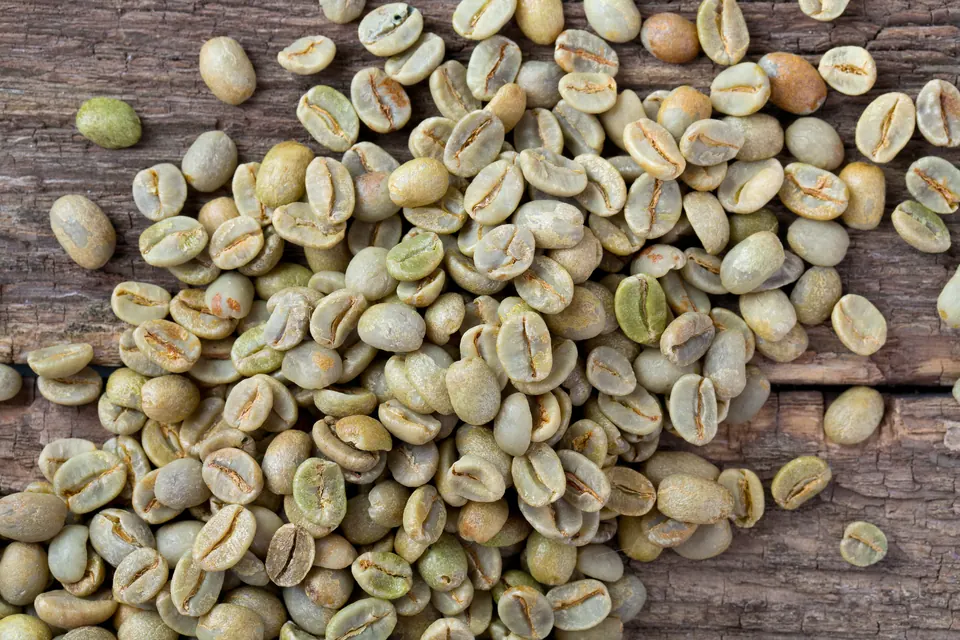
- Start the roaster with the fan high to tumble the beans, then raise the heat as they turn from green to yellow to tan.
- Listen for first crack, a popping sound like popcorn. That is when the coffee becomes drinkable, as a light roast.
- Stop earlier for bright, fruity coffee, or keep going toward second crack for a darker, heavier cup.
Dump the beans into a colander or cooler right away and stir until they are cool to the touch.
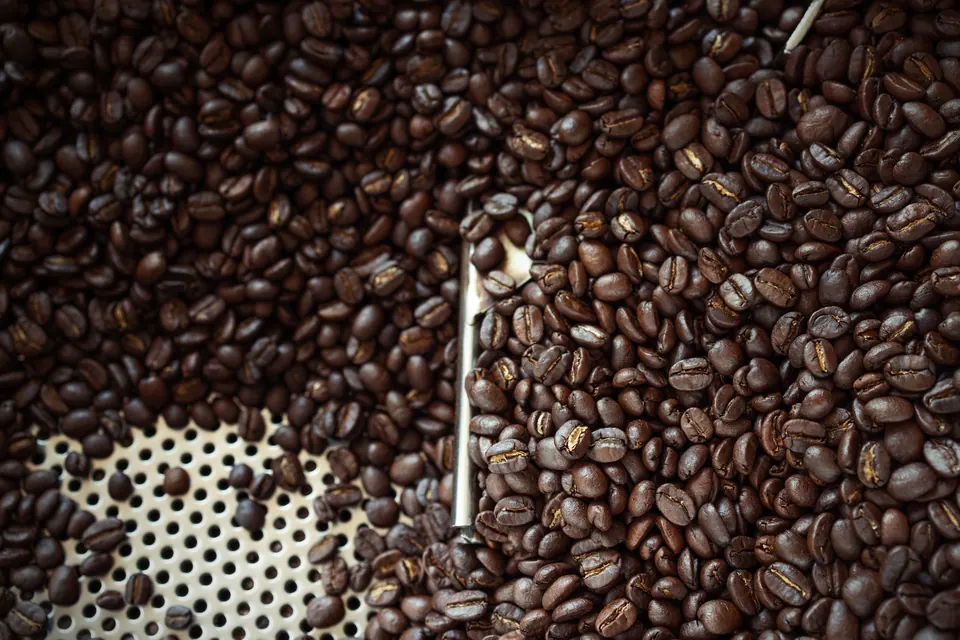
- Let them rest in a jar with the lid loose for a day or two, then grind, brew and taste. Write down what you did.
Watch out for
- Roasting smokes, especially dark roasts. Use a stove hood, an open window or the garage, or the smoke alarm will join in.
- Never leave a roaster running alone. Beans can catch fire if a roast runs long.
- Chaff, the papery skin, flies everywhere. Roast near something easy to wipe or vacuum.
- Fresh roasted coffee gives off gas for a few days. A fully sealed jar on day one can pop its lid.
- Roasted coffee goes stale in a few weeks, so roast small batches often instead of a big batch once a month.